From Vision to Reality: How Professional Deck Builders Make Your Dream Deck a Reality
Deck builders play an essential role in enhancing outdoor living areas. They start by gaining insight into client requirements and tastes, directing them through available materials and design alternatives. This collaborative approach guarantees that the final product aligns with the homeowner's vision. As the build moves forward, contractors handle regulatory considerations and preserve clear dialogue. However, many clients may be curious about the distinct phases of this process and how they shape the finished product.
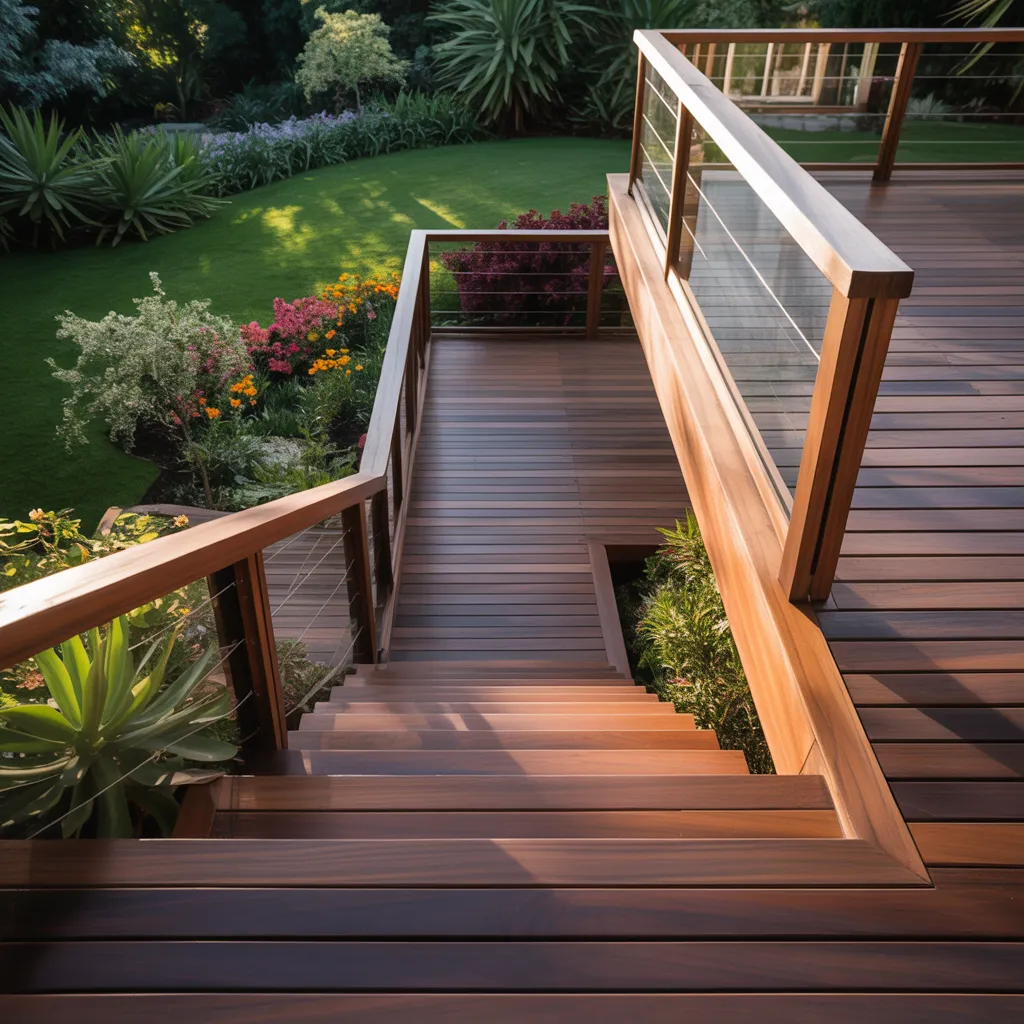
Important Questions to Identify Your Dream Deck
When picturing the perfect deck, what essential factors should be evaluated? First and foremost, one must evaluate their primary purpose for the deck. Is it for entertaining guests, spending quality time with family, or taking time to relax independently? Understanding the intended use significantly shapes design choices.
After that, the preferred size and layout ought to be finalized. This entails examining the space at hand and how the new deck will complement existing structures and landscaping.
Additionally, it is important to consider the decking area's sunlight exposure and orientation. This affects the level of comfort during the day and affects material selection too.
Finally accessibility is essential; straightforward access to the property and adjacent areas will boost overall usability. By exploring these key questions, homeowners can establish a clear vision that sets the foundation for their ideal deck, making sure it aligns with their daily living requirements while blending seamlessly with the surrounding landscape.
Choosing Decking Materials for Your Dream Outdoor Living Space
Choosing the ideal materials for a deck can greatly impact both its visual appeal and lasting quality. Deck owners often consider various options, including PVC, wood, and composite materials. Natural wood, such as cedar or similar hardwoods, delivers a timeless look and can be finished or painted to complement any design. However, it requires routine upkeep to avoid rot and splintering.
Composite decking materials, combining plastic and wood fibers, provide a low-maintenance alternative that resists fading and staining. Their broad selection of colors and textures makes them an attractive choice for numerous applications.
PVC decking, constructed completely from plastic materials, provides outstanding durability and moisture resistance, ensuring longevity in various climates.
At the end of the day, the selection of construction materials should match the homeowner's vision, financial plan, and care preferences, creating a custom outdoor space that represents their personal style while lasting for years to come.
Creating Your Deck Design: Collaborating With Professionals
Converting an idea into an impressive deck design often requires working closely with skilled professionals. Deck builders and designers partner with homeowners to understand their preferences, lifestyle, and aesthetic goals. The process starts with a preliminary consultation, where ideas are exchanged and fundamental requirements are established.
Professionals leverage their experience to recommend materials, layouts, and features that complement the homeowner's vision while maintaining functionality and durability. They frequently present detailed 3D visualizations, allowing clients to envision the completed project and make informed decisions.
Within the design process, open communication is essential. Homeowners are invited to share their ideas and questions, while professionals offer guidance and insights. This collaboration not only boosts innovative thinking but also optimizes the overall workflow, ensuring that the final deck reflects the homeowner's unique style and needs. In the end, the joint effort fosters a natural progression from concept to a beautiful and functional outdoor retreat.
Building Permits for Decks: What You Need to Be Aware Of?
As the planning process moves forward, comprehending the regulatory environment becomes necessary for homeowners looking to construct a deck. Building permits for decks are frequently necessary to guarantee compliance with local building codes and zoning laws. These permits safeguard the structural integrity and safety of the deck, accounting for elements including height, size, and positioning.
Homeowners should begin by getting in touch with their municipal building office to ascertain specific requirements. The procedure usually entails submitting detailed plans, which outline the deck's design and materials. Additionally, some localities may necessitate reviews at multiple phases of construction.
Failing to obtain the necessary permits could cause fines, mandatory removal, or delays in the construction process. It is recommended that homeowners partner with experienced deck builders who have knowledge of local regulations, facilitating a smoother shift from concept to execution and sidestepping potential complications associated with permitting.
What You Can Anticipate During the Deck Building Phase
In the deck construction stage, homeowners can anticipate a systematic approach that turns their plans into a finished structure. To begin, the site will be cleared and leveled to ensure a clean and stable foundation. The deck contractors will proceed to outline the design in alignment with the approved plans, marking essential positions for posts and beams.
After this step, they will establish the foundational elements, including support posts and footings, which provide stability. Once the structure is in place, the deck builders will add joists and decking material, ensuring correct spacing and alignment. All throughout this phase, clients can expect ongoing updates and transparent communication from the deck builders, responding to any questions or concerns.
Safety is paramount, so professionals will follow local codes and regulations. Once all work is done, once building is completed, a comprehensive review will confirm the deck meets all specifications, laying the groundwork for the final enhancements that will enhance the overall aesthetic.
Post-Build: Vital Deck Upkeep Advice
After the successful completion of deck construction, maintaining its integrity and appearance becomes a priority for homeowners. Routine upkeep not only improves the deck's appearance but also prolongs its lifespan. First, homeowners should clean the deck regularly, removing debris and dirt to prevent mold growth. Using a gentle cleanser and a soft brush is recommended to avoid damaging the surface.
Deck sealing is essential, most notably for structures made of wood. Quality sealant defends against moisture, UV exposure, and weather damage. Deck owners are advised to reapply sealant every one to three years, depending on environmental complete info conditions.
Inspecting for loose boards, nails, or structural issues needs to be carried out on a seasonal basis. Timely repairs can help avoid more significant damage. Furthermore, thoughtful furniture arrangement and the application of protective mats can help reduce wear and tear. By adhering to these upkeep suggestions, homeowners can ensure their deck stays an attractive and practical outdoor area for many years ahead.

Frequently Asked Questions
How Much Time Does the Full Deck Construction Process Usually Take?
The full deck building timeline typically takes between one to several weeks, based on factors including design complexity, material availability, and weather conditions. Every project is different, significantly impacting the overall duration of the project.
What Are the Most Popular Design Trends for Decks Today?
Nowadays, leading design styles for decks consist of multi-tiered designs, built-in lighting, environmentally conscious materials, and unrestricted floor plans that merge indoor and outdoor living zones. Earthy finishes and bold colors are rising in demand amongst property owners looking for up-to-date aesthetic qualities.
Can Features Such as Lighting or Seating Be Added Later?
Absolutely, supplementary additions like illumination or seating areas can be incorporated at a later stage. Professional deck contractors often suggest accounting for future upgrades during the original build to provide seamless integration and preserve the structural soundness while allowing for evolving style preferences.
How Do Weather Conditions Affect the Construction Timeline?
Weather conditions greatly impact construction timelines. Rain, snow, or extreme temperatures can delay material delivery, hinder worker productivity, and compromise equipment functionality, thereby prolonging the overall project timeline and necessitating thorough planning to address these possible challenges.
What Kinds of Warranties and Guarantees Are Typically Offered by Deck Builders?
Deck contractors generally provide warranty coverage for both labor and materials, covering periods of one to ten years. Certain contractors may also offer lifelong guarantees on particular products, guaranteeing durability and client satisfaction throughout the lifespan of the deck.